Gooding, David: 1 - Revelation and the Tabernacle
ID mfh_1092705793Date unavailableBefore 3.15Restored 4.49
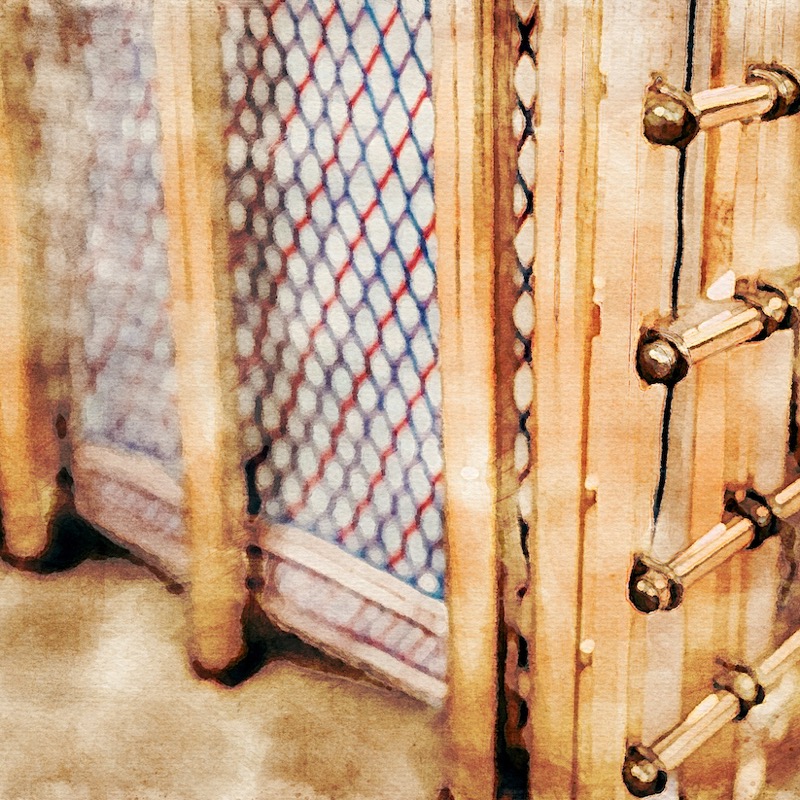
As we begin. The first practical thing is this, that it will be helpful to me as well as to you, if in the course of this lecture you have somewhere near you these two sheets of notes. If anyone hasn't yet received copies of these two sheets of notes, one is called the structure of the book of the Revelation and the other strategic themes. If you put your hand up, someone will come and attend to you. The other practical thing is this, that many of you will have been traveling long distances and difficult roads to get here, and by this time of evening you will feel very tired. So let me say with all sympathy that if you care to listen with your eyes shut, that will not ac- uh, upset me whatsoever, you'll see. If you are afraid to listen with your eyes shut in case you should go to sleep, well, all you have to do is to give your name into me now, and when I see you going to sleep, I will call it out and wake you up, you'll see. Any other device you may choose to use to keep awake, such as standing up or other such things, do feel free. We want you to be able to concentrate the best possible in this late evening hour. Now let me say personally my own welcome to you, and how grateful I am to you all for coming here, some of you from long distances and a considerable sacrifice, to join with us in the study of God's Holy Word. I am particularly, uh, delighted in the book that we have chosen to study on this occasion together. Because here in this book, perhaps supremely of all books of Holy Scripture, our blessed Lord Jesus Christ speaks to us and speaks directly. The book opens, as you know, with a table of contents, a description of what the book is to be about, and it tells us in its very opening words that this that we are about to hear is the revelation of Jesus Christ. That is the revelation of which he is the author. It will, of course, also prove to be true that this revelation given us by the Lord Jesus himself is also about him, and he is the most prominent figure in all that we are about to see and to hear. It is the Lord Jesus Christ in himself, who, risen from the dead, speaks to us, both as churches and as individuals, as we read this book. It is true, as he himself points out, that he sent and signified this that he had to say to us through his servant John. And John in turn tells us that he bear witness of the word of God and of the testimony of Jesus Christ. So what we are about to hear, says John, and he's reporting what he saw and heard, is, we are to understand, is the very word of God. So much so that if God opened the heaven at this very moment and spoke to us, he would speak exactly what he has written here in his holy word. Secondly, John says that that which he saw and heard is the testimony of Jesus Christ. And here we begin one of the major themes of this particular book of Holy Scripture. This is Christ's personal witness and testimony to us, his people. We shall hear him say, as he dictates a message to one of his churches, I am the faithful and true witness. He is referring in particular to the time when he stood before Pontius Pilate, and at the cost of his own life, he witnessed to the truth. Said Pilate to him, young man, you better start talking. You have been silent this half hour or so, in spite of my many questions. You had better start talking quickly. Don't you know I have power to crucify you and have power to release you? And in response to that effrontery, our blessed Lord Jesus replied, you could have no power at all against me, were it not given you from above. But now I tell you, Pilate, I am a king. My kingdom is not of this world, granted, for if it were of this world, my servants would fight that I should not be delivered to you or to the Jews. But now my kingdom is not from here, but I am a king. And I have come to bear witness to the truth. Pilate, with his cynicism, says, what, pray me- pray, might truth be? Pilate wasn't only a soldier, he was a politician. And what do politicians care about truth, I wonder? Little man is obsessed with power. Power to Almighty God, I nearly said, is a very little thing. It's his naturally, isn't it? And we may thank God that God is not only concerned with power, he is the Almighty. He is concerned with truth. Having made his claim before Pontius Pilate to be the true and faithful witness come to bear witness to the truth, our blessed Lord then proceeded to Calvary's cross to witness to the truth. If you would know the truth about this universe, if you would know the truth about the human race, my good brother, my good sister, if you would know the truth about yourself. The truth is this, that the whole universe, that you and I within it, are the creations of omnipotent power. We are creatures of God. But the matter doesn't end there. The truth about you and me is this, that we were made in the image of God. Made to have dominion, one day to share God's very throne. That's the truth. The uncomfortable truth about us and all mankind, as the book of the Revelation will bear witness. And being made in the image of God, we have fallen, and that image has been disgraced within us. But now hear that truth, which in particular our blessed Lord Jesus came to witness to. I am the truth, he says. And as you see him spiked hand and foot by his creatures to a cross, the omnipotent dying for us, his creatures. That is the truth about you. The God who made you. The God against whom you and we all have sinned. The truth about him and the truth about you is that he loves you so much he would die for you. And we do well to begin there with the record that the Gospels give us, so that we might be prepared to join with the choirs of the redeemed, saying, unto him that loves us and loosed us from our sins in his own blood, to him we would give the dominion. How shouldn't we? If he is the Almighty, and he would die for us. Now he's risen. Tell it to the whole world, he's risen. He stands among his churches saying, I am the faithful and true witness. And as we come to the end of the book, we shall hear him come out of the shadows and address us personally. You will see in the course of this book, we shall hear many people speaking. God the Father himself. Several angels will address us, or others. We shall hear the elders, all twenty four, and sometimes individually. The living creatures will have their word to say, and angels they are. And John will tell us this and tell us that. When the whole vision is almost over and all other voices grow silent, our blessed Lord Jesus will step out of the shadows to explain all this that you have seen and heard, do you know what it is? It is this. I, Jesus, have sent mine angel to testify these things to the churches. That is a remarkable statement. I don't know that it occurs anywhere else in Holy Scripture. We have it in the Gospels, of course, many times when the blessed Lord Jesus prefaces his remarks by saying, I say unto you. But here, to that gracinal- gracious personal address, our blessed Lord Jesus adds his personal name, I, Jesus. Every true believer bristles in their hearts with wonder. However magnificent angels are, however awe-inspiring apostles may be. Oh, what a wonder it is when I, Jesus, draws near and speaks. We shall all remember, perhaps, the wonder of the occasion when we first heard his voice. Those many occasions during the years when we have listened to him. This week, as we wait together before God, Jesus, I, Jesus, will draw near and speak again. Another reason why I am delighted by the prospect of joining you in the study of this book is because this book, more than any other, perhaps in the whole of scripture, is full of music and song. I hope you have a good ear for music and are ready from time to time to listen to good choirs. You shall hear aplenty in this book. If your ear is only imaginative enough to tune in, you'll see. For a moment or two in these brief days together, we are going to leave outside and behind this sorry old world with its din, its hate-filled noises, and its curious modern music, if I may add. And uh, we're going to listen to the music of heaven. Ah, in this book the veil is drawn aside. Listen attentively, and you will hear the song of your brothers and sisters in the faith, from different ages, from Moses and his people as they stood on the banks of of the Red Sea, to those who in a later day will come victorious over the beast and stand by the glassy sea. You shall hear the vast multitudes of heaven singing in their choir the great song of redemption. And since we all are redeemed on the very same basic principle, we shall understand the meaning of their song. Oh, my good brother, my good sister, listen carefully, really carefully. As you listen to the choirs of heaven as they shall sing in the coming day, when there is no more sorrow, no tear, no blinding grief, nor torturing pain. As you listen to the choirs as they shall sing, you could catch yourself singing. You could, so to speak, hear yourself singing, for shall you not be there? You shall be among that throng if you be the Lord's, and this is how you will sing. When this poor old world is no more. And you are at home with the Lord. Don't say it is escapism, will you? Perhaps it is a little bit escapist, but then it's good to escape sometimes, didn't- isn't it, what? I will say, we shall have to go back if the Lord spares us into the world with all its raucous, ugly din. But for the moment, we come aside. Let our spirits be attuned to the lovely music of heaven. Being refreshed ourselves in spirit, we shall listen to other groups of God's people of different ages singing their songs of triumph and of victory. And as we hear them sing their victory songs, we shall take courage to go back to our battlefield, out into the world, with a song of heaven's victory in our hearts. This book, I know, is not all singing. It is perhaps one of the most serious and solemn books of the whole of scripture. For, as we know, its middle part is largely taken up with the solemn judgments of God that must fall on this evil world at the end of this age. Solemn things they are. But, let us observe that the singing that we shall hear is not the singing of irresponsible people that have closed their eyes to the realities of life around them, and because of their easy circumstances have imagined that they're half in heaven already, and with closed eyes and ecstatic spirits, forget the realities of life. These songs come from men and women who have suffered for God and for Christ. You will hear songs from the very martyrs themselves. They were not men and women who ran away from life. Or people who ignored the sad realities of our world. You say, how can they sing? If they really look hard and long at this evil world with all its sorrow drenched with blood and pain, how can they sing? And the answer this book will give is that they sing because of the assured fact that there has someone been found morally worthy to execute the judgments of God that are necessary to bring this world back to sanity and to order and to obedience to God, its creator. And the glorious triumphant assurance of this book is that evil is not going on forever. Evil is going to be put down. And I may tell you now, it's going to be put down in this world. God is not going to wait and then in the end burn this world up with an admission of defeat that it all went wrong and the best he can do with it is to destroy it and start something else because this one went wrong. No, no. God is going to have evil banished from this world, and before he brings it to its end, he's going to triumph. And you know, of course, when, when we hear that and believe it, we feel like shouting hallelujah, don't we? At least I hope you do. What person being in their right mind wouldn't say hallelujah at the prospect that there's going to be a judgment? You wouldn't want evil to continue forever, would you? What same person could? Some of the most glorious psalms of the Old Testament are psalms in which the writer is given the assurance of God that one day the Lord shall come. He shall come to judge the earth. He shall judge the world in righteousness. And the New Testament adds he shall judge it in righteousness, righteousness by that man whom he hath ordained. And when the Psalmist so writes in his several psalms, then he calls upon everybody to clap their hands. The mountains clap, says he. I've never heard a mountain clap yet, but they have my permission. And the seas and the rivers and the trees and the rocks and everybody. And if you wanted to clap, well, I couldn't forbid you, you'll see, but uh, clap inwardly. There's going to be a day of judgment. Clap for all your worth. Hallelujah, say the choirs of heaven, when the judgment has been performed, that earth has been rid of its evil. And what touches your heart as a believer, sure, is this, that God is not only going to judge the atheist and his outright antagonist opponents, he's going to judge all misrepresentations of himself and of his son by perverse and unfaithful religion. And so I am delighted at the prospect of, uh, reading again these words of the Lord Jesus with you here in these days. But now, as we join to come to the serious study and introduce ourselves to the book this evening, let me first explain to you what it is that I shall be attempting to do. I shall not be attempting a complete, thoroughgoing, verse by verse exposition of this book. Of course I shall not. That would demand far more time than we have, even were we to stay here for six months. I simply aim to make a contribution. It will be a small contribution, to the study of this book. The book is, let us not pretend otherwise, the book is a difficult book. At least God's people have found it difficult all down the centuries. Many, as you know, many are the different approaches that have been made to this book, and many are the con- different conclusions that have been drawn from the study of the book of the Revelation. And alas, I can confess to you, if you promise to tell nobody else outside this room, that sometimes, uh, the study of the book of the Revelation has led to sorry divisions amongst God's people. It is curious that it should have been so, is it not? But these are the facts. And believers have come, if not physically to blows, yet to to disagreement, and have denounced each other as though they were heretics for differing over matters of interpretation of the book of the Revelation. That is surely a lamentable pity. Let us see to it this week, my brothers, my sisters, that we don't fall into that trap. Some of you may find it diff- well, not, not, not really, but difficult, I was going to say, to put up with me and my interpretations, you'll see. The more so when you have your own interpretation already made. And should I disagree with your interpretation, uh, I give forewarning of it now, and uh, please try to love me as much at the end of this week as you love me now. Make up your mind to that, and if you don't, I shall be tempted to run away without giving the lectures. But my contribution is to examine the book as a book. I shall examine, first of all, the literary structure of this book. You see, there are other notable approaches, are there not? Notable, of course, is the approach taken by the systematic theologian. From their reading of Holy Scripture in general and other prophetic books, the systematic theologians come at length to form their system of theology. And when they put it in their books of systematic theology, it generally comes under the title of eschatology or the, the study of the last things. And there they give us, in systematic form, what they have gleaned from all over scripture, put into as neat a system and as logically coherent a system as they can, for which, of course, the rest of us are very, very grateful. There, let me say at once how, how grateful I am personally to them. You will soon find out that I'm not a s- a systematic theologian. You would need a great deal more brains than I have to be one, I think. I'm not a systematic theologian. I own now the importance of that discipline. I, of course, have my own system, though I'm not a systematic theologian. And you will soon discover what it is, and I may say with humility, I hope, that I'm not ashamed of the system that I hold. But for the moment, I want to concentrate not on any particular system of theology. I want to take this book as it stands. You'll see the slight danger of systematic thetheology is that it starts too soon when it comes to the book of the Revelation. It comes with a system in mind, it selects this verse and that paragraph and the other chapter, uh, to fit into the s- the system that has been devised. What doesn't particularly fit into it or seems irrelevant is then neglected. I suggest that before we start our systems seriously, we ought first to consider the book as it stands. Anyone can see that the book of Revelation is not a book of systematic theology, now come is it? And my attempt this week will be to study the book as it is, to examine the sections of the book, the contributing parts of the book, to see what their themes are and how they hang together. I shall be asking what is the meaning, the general theme of each particular section, and how it relates to the themes of other sections and to the book as a whole. And you will discover that the notes I shall be handing out on other occasions are little more than the table of contents of this book. But then they have been so arranged that they may begin to help us see the interrelation of the parts of the book to the whole. Let me at this stage use an analogy. If I were called upon to describe the human hand to somebody who had never seen a human hand before, I could, I suppose, describe it this way. It's a bit of more or less square stuff of flesh and blood and bones and things, and it has four bits sticking out at the top, and it's one piece sticking out at the side. That's a hand for you. That's a table of contents of a hand. Wouldn't be a lot of use, would it? Well, if I merely described it as a table of contents, I haven't really described what a human hand is. To describe what a human hand is, I must describe the function of a human hand. And not only the function of the hand as a whole, I must ask what is the function of each part of the hand, and how the different parts of the hand all fit together and function together for the purpose. I must explain, for instance, why the bit that sticks out at the side is at the side of the thing, and not on the top, and how it relates to the other pieces that stick out at the top. In other words, to describe the human hand, I must describe the interrelationship of the different parts and the functional relationship of those parts. So it is with serious books of literature, and the book of the Revelation is not only a serious piece of literature, it is an inspired piece of literature. What I want to do is the very basic thing, the elementary thing with you this week, and then you can add the more advanced pieces. What I'm trying to do then is the elementary thing, the ground floor level thing, to examine the parts of this book, how they relate, what is their function, what is their leading message, and to see how the book is a coherent whole as a book, so that if you left one bit out, you would be damaging the fabric of the whole. And so I leave question times, you may have noticed that from your timetable, I leave question time towards the end of the week. We are then on Friday afternoon, God willing, to have a marathon question time, and not only a question time, but a time for contributions as well, and necessary corrections, of course, from you who listen. But I want to reserve those questions and get us all, whatever our views of the revelation, for the early part of the week, concentrating on the book itself, rather than any particular system of interpretation. And now I have to explain the other part of the title of this series of lectures. They have been entitled The Revelation and the Tabernacle, and I come now to explain why we have called it so. Perhaps you may care at this juncture to look at the first sheet that you have been given, because we are to embark on a simple study of the structure of the book, and we shall notice that the tabernacle and details about the tabernacle are a very important key to the understanding of the message of the book itself. So on the sheet I have listed before you in column one the contents of chapters one to three. And I need say very little about them now because chapters one to 3 are an obvious coherent whole. They contain the vision of our Lord Jesus as the Son of Man amidst the seven golden lampstands. Those lampstands, we are told, represent the seven churches that he has selected in Asia Minor. And then chapters two and three, they re- relate the messages that he sent to each of those seven churches in turn, and thus to all the churches. They form a group by themselves, obviously, and when we come to the end of chapter three and we begin chapter four, the subject matter changes dramatically. Look, if you will, please, to how what I have here called section two begins. Chapter four, verse one: after these things, says John, I saw and behold a door opened in heaven. First thing to be noticed, that, uh, we begin the new section at four with something opened in heaven. Point number one to notice. Point number two to notice is this, that when John is caught up through that door into heaven, he tells us in verse two, straightway I was in the spirit, and behold, there was a throne set in heaven, and one sitting upon that throne. So something was opened in heaven, and next John is given to see a piece of heavenly furniture, if I may describe it thus for the moment. He sees a throne, and that throne occupied. Now those two observations are going to prove important because in the subsequent four major sections of the book, you will find that they begin similarly. Three of them begin with something opened in heaven. Three of them begin with something vi- made visible in God's tabernacle. And the final, the sixth column, begins with heaven opened. But let's follow for a moment column two, that is section two of the book. The next thing that we ought to notice is this, that when John is given to see this piece of heavenly furniture, that is the throne of God. That throne forms the dominant, pervading theme of the whole of the remainder of that particular section. It therefore becomes a key to the understanding of that section. And I would like you, if you will, to take the trouble to look at it in the actual text so that you see that I'm not making this up out of my own head. Chapter four then, let's run quickly through it and the subsequent chapters. Verse two: there was a throne set in the heaven, and one sitting upon the throne, and he that sat was to look upon like a jasper stone and a sardius, and there was a rainbow round about the throne, like an emerald to look upon. And round about the throne were four and twenty thrones. They too were occupied. And then in verse five, and out of the throne proceed lightnings and voices and thunders. And then the throne is further described. There were seven lamps of fire burning before the throne, which are the seven spirits of God, and before the throne, as it were a glassy sea like unto crystal, and in the midst of the throne and round about the throne, four living creatures full of eyes before and behind. Look at verse nine. We've had the description of the throne and him that sat on it. Now we're going to listen to the thanksgiving and the praise of certain of the company of him. Look how they describe God. Verse nine: and when the living creatures shall give glory and honor and thanks to him, to him that sits on the throne, and shall worship him that lives forever and ever, and shall cast their crowns, uh, sorry, to him that liveth forever and ever, the four and twenty elders shall fall down before him that sitteth on the throne. And shall worship him that liveth forever and ever, and shall cast their crowns before the throne. And all that is very reasonable, isn't it, in a chapter that sets out to describe for us the throne of God. What the point of that description is, we shall have to consider on another occasion, but let's follow the theme through. In verse five, John says, I saw in the right hand of him that sat on the throne a book written, and none could look upon that book, and none was found worthy to open its seals. Until John was comforted by the word of the angel. The lion of the tribe of Judah has prevailed to take the book and to open the seals. And John says in verse six, I saw in the midst of the throne and of the four living creatures, and in the midst of the elders, a lamb standing. And we notice his position in the midst of the throne. Verse seven, and he comes and takes the book out of the right hand of him that sits on the throne. And when he does it, there is an outburst of praise. Verse eleven, I saw and I heard a voice of many angels round about the throne, and they sing their song of praise. And finally, verse thirteen: and every created thing which is in the heaven and on the earth and under the earth and on the sea and all things that are in them, heard I saying, unto him that sits on the throne. It would have varied the theme a little bit, wouldn't it, and made for variety if instead of saying him that sits on the throne, they'd have said, well, well, let's have a change this time, unto, unto the Lord God Almighty, or to our blessed Savior and Redeemer, or something of the sort. But of course, we are observing the throne. We've had it described to us, and all the companies that are there in relation to the throne of God. And when they give their thanks, it is but natural that they should give thanks to him who sits on the throne. We are already observing that, uh, how this section began with an open heaven and a vision of this piece of furniture that is the throne of God. That is beginning to be the pervasive theme throughout the section. And with that, we come to chapter six, which is the record of the Lamb opening the seals on the scroll that he has taken from the hand of him that sits on the throne. And when he does so, chapter six, verse one says, I saw when the Lamb opened one of the seven seals, and I heard one of the four living creatures say. And who are they? Why, we've just been told that the living creatures are those who are round about and in the midst of the throne. They uphold the very throne of God. They are the cherubim. The seals are unloosed, and on earth the series of judgments are unloosed, until we come to the climax when the sixth seal is unloosed, and that climax is described in verse twelve of chapter six onward. Look at verse sixteen with you, with, with me, if you will. Here are the kings of the earth, and the princes, and the chief captains, and the rich, and the strong, and every bondman and freedman hid themselves in the caves and in the rocks of the mountains, and they say to the mountains and to the rocks, fall on us and hide us from the face of him who sits on the throne. The language, of course, is exact, but it's understandable for what they've caught sight of as the heaven has been rolled away like a scroll when it's rolled up. What that heaven opened has revealed is the sight of the throne and millions of men and women realize to their horror that what they have stoutly denied and tried not to believe is in fact true. There is a throne, and that throne is occupied, and they learn it too late, and they try to be covered from it. All in vain, of course. But now let me remind you that in many otherwise excellent commentaries, and they're still excellent in spite of it, chapter seven is very often said to be a parenthesis. And the commentators scratch their heads and wonder why these two things are put in here. It is the account of the sealing of one hundred and forty four thousand people out of the tribes of Israel, so that they shall not be hurt by these judgments. And then it is the record of a great multitude that nobody can count coming out of the tribulation. Wonderful stories. What have they got to do with the matter on hand, is the question that very often arises. Many come to the conclusion that they are, so to speak, a parenthesis. Well, from some points of view, they may be, but when it comes to our major theme, they are no parenthesis, are they? For look now how, uh, they are described, this uncountable multitude seen coming out of the Great Tribulation. Chapter seven and verse nine: After these things I saw and behold a great multitude which no man could number, out of every nation and all tribes and peoples and tongues, standing before the throne. You see, John is still there. We may have wandered off in thought, goodness knows where, but John is still there. He's gone through the open door. He's standing in heaven. Can you see him? He's, he's still observing that throne, open-mouthed with wonder. And he's seen the Lamb undo the seals, and he's seen the terrible effect on those now who see that throne and pray to be covered from it. When his attention is drawn this side of the picture, and here comes this uncountable multitude, and they're standing, wonder of wonders, they're standing before the throne. The vision is proceeding. This is no parenthesis. The vision is, in fact, coming to its climax, its wonderful climax. And they cry with a great voice, saying, salvation to unto our God who has redeemed us. No, they don't. They cry, salvation to our God who sits on the throne. And to the Lamb, and all the angels were standing round about the throne. And about the elders and the four living creatures, and they fell before the throne and worshiped on their faces and worshiped God. Um, one of the elders at that point nudged John and said, John, this great multitude, um, who are they, John, and where do they come from? And John said, well, I beg your pardon, sir, but I, I, I, I, I, I don't know, I'm afraid. I, I, I, I never caught sight of them before. Um, uh, you tell me, you surely know, don't you? And so the elder obliged and told him and said, these are which are arrayed in white robes, uh, do you see? These are they which come out of the great tribulation, and they washed their robes and made them white in the blood of the Lamb. Therefore they are going to heaven. Yeah. You know. Well, I heard perfectly true, but you notice the phraseology, don't you? Therefore, they are before the throne of God. Coming to the great climax. We just heard men in their misery, unregenerate men and women who denied the existence of the throne, and now the heaven is apart, they see it, and in terror they cry to the rocks to fall on them and cover them so they can't see it. Wonder of wonders, there's this vast uncountable throne, and they're standing. They're standing before the throne. How dare they stand before that throne? What gospel message is this? They stand before the throne, secure, at peace, accepted. And when we come to consider the significance of the place they're standing, we shall see, of course, it is full of the most profound theological truth. But our task is to go on and notice the language. Therefore they are before the throne, and they serve him day and night in his temple, and the God who has mercy on them shall... No, no, no, no, no, no. We don't listen half the time, do we? And he that sits on the throne shall spread his tent over them. That's a lovely alternative, isn't it? The unregenerate crowd cry for the rocks to fall on them and trying to protect them from the face of God. These the redeemed. They stand before God. That same holy and almighty God takes the tent of his tabernacle and graciously pitches it over them and round them, that nothing henceforth ever may damage them. All wonderful words. You'll see creation has damaged a lot of us, hasn't it? Creation has hurt many people. Think of the congenitally deformed. Think of the earthquake and the typhoon. Creation has hurt many people. There is coming a day for the redeemed, when he who sits on the creator's throne shall s- spread his tent, his covering tabernacle over. And the sun shall not smite them anymore, you'll see. They shall hunger no more, neither shall the sun strike upon them, nor any heat. Never again will the created universe hurt the redeemed. And with that, we come to the final comfort, and the lamb who died on Mount Calvary. Well, yes, he did, of course he did. But you see how persistent the writer is under the inspiration of God. He knows the likes of me, my mind wanders all over the place. I think I see what I, I, what's not there, and what is there I don't see, and I don't listen half the time, and I paraphrase it in my own words, and and I'm all inexact and therefore make it ten thousand times more difficult to follow the argument. And God, in his mercy for simpletons like me, keeps repeating the point, repeating the point, repeating the point, until I say, God, change the tune, please, Lord, if you don't mind, it's getting a bit monotonous. And he says, have you got it at last? Oh, I'm glad you got it at last. That was the point I was making. You got it? Ah, well, thank God for the repetition. And the great finale of this section is the Lamb which is in the midst of the throne. For it is no longer the throne merely of the Creator. It is the throne of the Redeemer. Oh, shout your hallelujah already, if you can. We shall consider it later in more detail. But the throne of the Creator of the vast universe is sat upon now also by the Redeemer of mankind. And just as creation has served the will of the Creator, so in days to come it shall serve the will of the Redeemer. Creation shall not mock us anymore. We'll see the Lamb that is in the midst of the throne shall be their shepherd and shall guide them unto fountains of waters of life, and God shall wipe away every tear from their eyes. Creation has tantalized us sometimes, hasn't it? We also, we have the sense to see what life could be, were it perfect. We have the sense to see what life could be were we perfect. The tantalizing thing has been in this disordered and fallen universe, the creation that first seems to promise us in our youth all sorts of wonderful things and satisfying water from the, uh, creation around us. And when we stoop to drink it, sometimes it fails. And sometimes, as the Israelites found in the wilderness, the water turns bitter. There's coming a day, says this verse, when the Lamb, being in the midst of the Creator's throne, shall lead his redeemed people to the fountains of the waters of life. And creation shall never tantalize them again. They shall drink to the full. It shall be ever fresh and ever satisfying, and tears of disappointment and pain will be forever past. Oh, forgive me for preaching. I, I get, um, tempted by the wayside, you'll see, and I'm not supposed to be preaching at this stage. I'm, I'm meant to be seriously and solemnly and soberly, eh, eh, eh, pointing out the structure of this book, and I will come back to that in a moment, you'll see. We've seen so far that the second section of the book is one coherent whole, with a theme running through it pervasively that keeps all its parts on one central thread of idea. That theme was set for us right from the very start, when John saw the door opened, was summoned to enter heaven, entered heaven, and saw the throne of God. And therefore the whole section follows that pervasive theme. If later on we are to interpret these chapters right, we must surely begin there, mustn't we? You see that all these chapters have as their prime purpose to talk to us about the throne of God. This is the theme that controls all the parts. So then, having established the principle upon which this book is, uh, organized, let us see how that principle works itself out in the succeeding sections of the book. For that purpose, let us go back to section two for a moment and observe how it finishes. From verse thirteen of chapter seven onward, we have the comment of one of the twenty four elders. He asked John who the great multitude are, and then proceeds to explain to John who the great multitude are. And it's no surprise, of course, to find that the comment of the elder is very apposite. He, three or four times over, refers to the central theme of the throne. A comment, then, by one of the twenty four elders ends this second section. And we turn the page to chapter eight to inquire how the second s- uh, the third section of the book will begin. Says chapter eight verse one, and when he opened the seventh seal, there followed a silence in heaven about the space of half an hour. So now the s- third section of the book begins with something opened in heaven. Interestingly enough, in the series of the judgments that come under the seals, the climax is reached under seal six, not under seal seven. After seal six, there come those two stories of the one hundred and forty four thousand and the great multitude. It's not until you begin chapter eight and with it the third section of the book, that we come back to the theme of the seals and observe that when he opened the seventh seal. So something opened in heaven. Now we are to notice that when this something is opened in heaven, John sees the seven angels, says verse two, which stand before God, and there were given unto them seven trumpets. And another angel came and stood over the altar, having a golden censer, and there was given unto him much incense that he should add it unto the prayers of all the saints which are upon the golden altar, which was before the throne. So section three is running true to pattern, isn't it? It begins with something opened in heaven, and when that something is opened in heaven, John is given to see a piece of tab- heavenly furniture. This time it is the golden. Maybe also he saw the big altar, some commentators dispute that, but let's turn at once to the help of our model here to see exactly what it was that John saw and where the piece of furniture was standing in the heavenly tabernacle. We'll ask a demonstrator to take the coverings and the curtains off the tabernacle itself. There goes the ram skins dyed red. Here come the, uh, goat's hair curtains that formed the tent, all eleven of them now coming off, and underneath them, now also removed, the ten beautiful curtains, uh, of the tabernacle that formed God's dwelling place. It leaves before us the framework of the building. That building, the tabernacle, was, of course, in two parts, as you well know. There was the first division here from the doorway up to the veil where hung the second veil, the most famous of all the veils in tabernacle or temple. That veil divided between the, um, uh, holy place here and the most holy place that lay behind the veil. In the most holy place was the ark and the propitiatory. Not if you will. The ark was formed, as you know, of an oblong box made of wood and overlaid with gold, and then on top of it there was a slab of pure gold. On each end of that slab of pure gold, a cherub was was made, and the cherubs were looking face on to each other with two of their wings arched overhead. This is called the propitiatory, the place where propitiation was made. Now that then is the ark and the Gnade Stola, the mercy seat. We English copied the German of Luther, I think it was, eh, or in modern times we call it the propitiatory. Let's stay with that just a moment. You'll see I didn't say it before. I'm going to say it now, that when we were looking at the throne of God, we were in fact looking at the equivalent of the ark. You see, in tabernacle terminology, the ark was the throne, or some of the rabbis said it was the footstool of God. For in Exodus twenty five, when God gave command for the making of this, uh, tabernacle, he said to Moses that you are to make this, this propitiatory, the mercy seat, put the cherubim there, and I will meet with thee from between the cherubim. That was where God came and stationed himself. That is why it formed a symbolic throne of God. If you read the later historical books, like two Chronicles chapter thirteen, the story of how David brought the Ark of God up to Jerusalem, you'll find the Ark described as the Ark that is called by the name of God, where God sits, and the word implies he sits sedately, sits as a sovereign, on the cherubim. This was the symbolic throne of God. We shall see it again in the course of the book of the Revelation, where it will be referred to not any longer as the throne, but as the ark of the Covenant. But now notice that in this section three of the book of the Revelation, John sees another piece of furniture. It may be, as I say, he saw the equivalent of this big altar here in the court. That was the big bronze altar made of wood covered with copper, at which the sacrifices were offered, all kinds of sacrifices and sacrifice for sin. There the blood was shed for the forgiveness of sin. Uh, the altar that is going to concentrate our attention in this vision in chapter eight, however, is not particularly that altar, but this little altar here. Notice where the demonstrator is getting it from. It stands outside the veil, here in the holy place, but it is standing directly opposite the throne, here in the Holy of Holies. The positioning of those two pieces, of course, was not accidental, because they were functionally related to each other. Day by day, at the hour of prayer, the priest would come into the holy place, and on that little altar made of wood overlaid with gold, he would offer incense before God at the hour of prayer. All the people would be standing outside here, some in the court, at the hour of prayer, offering their prayers to God. Their priest and representative would be here in the holy place, praying on behalf of the nation and offering along with their prayers the incense. And that is why the altar was placed here, because as he stood there offering the incense before God, he was addressing himself to the God whom he believed sat upon, presents himself upon that ark which was the throne of God. They are therefore functionally related. And John is careful to tell us in the Revelation and verse three, you'll see, uh, that, um, he saw another angel who came and stood over the altar, having a golden censer, that he should offer, uh, and there was given him much incense that he should add it to the prayers of all the saints upon the golden altar, which was before the throne. You'll see, it's a telling specifically what the function of the altar was. This is connected with the prayers of God's people going up before the very throne of God. And here, of course, there is an exceedingly dramatic thing. Says John, the seventh seal was opened. And then? Nothing happened. Silence. Absolute dead silence. Ha, so John just stood there. Everybody stood there. The elders sat on their phones. Not a word. Silence. I don't know about you, I don't know if you've ever been in a public ceremony. When there's been, say, a two-minute silence, recording the heroes of the last war or previous wars, for instance. The two minutes seems like an eternity. Of course, when you're on holiday, I mean, uh, two weeks has gone by in a flash, but get a thousand or two people together and they're absolutely silent. Uh, two minutes will seem like an hour. You just imagine half an hour silent. If John was, if he'd had a watch, he'd been looking at it, but saying... What's going to happen now? I wonder who will speak first. What will break this silence? Come on, let's get started. Silence. And then at last, there were a- a- a- a- indications that the silence was going to be broken. Here come seven angels with seven trumpets. Of course, there's going to be some sound now, said John. There's going to be some blast of a trumpet. That'll break the silence. It will indeed. We're waiting for the first one to begin. It wasn't that that broke the silence, was it? And he said, I saw an angel come to the altar, and he got the fire probably from the big altar. And there was given him much incense that he should add it in his censer with the prayers of saints on that altar that is before God. And the prayers of saints came up before God. And as they did so, the angel is told to take his censer full of coals of fire from off the altar and empty them over on the earth. And the silence was broken, as there came voices and lightning and an earthquake. The silence, the silence of God then, broken by the prayers of saints. Now, you know, it's obvious, isn't it, that this is not simply a little literary allusion. We are here in the presence of a profound, age-long, difficult problem. The problem of evil and unanswered prayer. You'll say, there's a throne in heaven. There is. Oh, says the unregenerate man, well, if there's a throne in heaven, why doesn't God do something about the evil in our world? Sometimes believers feel it in their hearts, don't they, if they don't say it with their lips. Doesn't God know what I'm suffering? At the hands of cruel and wicked and unjust men. I prayed, and I prayed, and I prayed. Why doesn't God hear? Why doesn't God answer? Why the terrible silence? They say it's an age-long problem. We'll read of it in the Psalms, as the psalmist is driven to cry out of a broken and bewildered heart. O thou to whom vengeance belong, how long, O Lord, do you not avenge your elect? This then is a profound problem, and it is being introduced to us in the symbolic and picture language, so that we might visualize it with our imaginations as well as grasping it with our intellect. So that our hearts might find satisfaction in the answer that God is about to give. What we now have to notice is that the phrase in verse one, when he opened the seventh seal, there followed silence for half an hour. We shall have later to inquire why half an hour. We'll see. But that being so, the time note being stated at the beginning of this section, we shall find that throughout this section, the idea of time and timing now begins to be emphasized and repeated. Look at chapter nine verse five: and it was given unto them that they should not kill them, but that they should be tormented five months. Notice the timing. Look at verse ten of chapter nine: in their tails is the power to hurt men five months. Look at verse fifteen. the four angels were loosed which had been prepared for the hour and day and month and year. Look at chapter ten verse six, this tremendously important statement. The strong angel comes down and swears by him that liveth forever and ever, who created the heaven and the things that are therein, and the earth and the things that are therein, and the sea and the things that are therein, that there shall be delay no longer. Now, I, of course, do not know what translations you have and what your translation says at that point. Some translations have it that the angel said that there should be time no longer, as though eternity were now about to begin. That isn't what the Greek means. What the angel is saying is there's not going to be delay anymore. The end is coming soon, as he explains in verse seven, in the days of the voice of the seventh angel, when he is about to sound, then is finished the mystery of God. Saying in a word, patience yet, it's only going to be a little while, a very little while. And the great mystery, the good news that God has preached to the prophets is going to be fulfilled. But there was to be an interval, a little though it was. Look at chapter eleven. Here John is see given a vision of the temple and is told in verse, uh, one, rise up and measure the temple of God and the altar, notice it, and them that worship therein, and the court which is without the temple leave without and measure it not, for it has been given unto the nations, and the holy city they shall tread under foot forty and two months. Notice the time. We'll say, and I will give unto my two witnesses, and they shall prophesy a thousand two hundred and threescore days. And we notice the time element again. Eventually, the beast that comes up from the pit is able to destroy. Verse nine: the nations shall look upon their dead bodies three and a half days. Verse eleven: and after the three days and a half, the breath of life from God entered into them, and they stood upon their feet. The initial idea of time, then a half an hour, and its significance related to the prayers of the saints is now emphasized again and again and again through the many time references in these chapters. We come finally, uh, to the end of this third section, and how will it end? Well, it's going to end like the second one did, with a comment, of course. Look at this, uh, verse, uh, fifteen of chapter eleven: And the seventh angel sounded, and there followed great voices in heaven, and they said, The kingdom of the world is become the kingdom of our Lord and of his Christ, and he shall reign forever and ever. And the four and twenty elders which sit before God on their thrones fell upon their faces and worshiped God, saying, We give thee thanks, O Lord God, the Almighty, which art and which wast, because thou hast taken thy great power and its reign. And the nations were wroth, and thy wrath came, and the time of the dead to be judged, and the time to give their reward to thy servants, the prophets, and to the saints, and to them that fear thy name, the small and the great, and to destroy them that destroy the earth. So the great climax and the comment fit into the pervading theme. One day, the time will come. As I say, this has been a literary study. We've only got halfway through the book. We must continue it a little bit tomorrow, God willing. And I'm not supposed to be preaching. I'm supposed to be sober and, uh, expounding the structure of the book, you'll see, but who can resist a comment or two now and again? And it's more than comment, isn't it? It goes to the deep, deep wounds that lie in many a heart. Why, if there's a God, why does he allow evil to prosper so long? Doesn't he hear the cry of his people? Is there a throne in the heaven? Or has God forgotten to be gracious? Is he not concerned with justice? Oh, what unanswered prayers there are, are there not? Some of them personal, that we wouldn't tell another person. We sit here tonight under God's word and are saying, yes, why hasn't God answered this prayer of mine and the other? May God explain it to us as much as he can explain it in this life. Here is God telling us he knows the problem and that he has some answers to give. Encourage my brother, my sister. It's only a little while, says the strong angel. Presently, the great secret purposes of God shall be finished. The time will come. And evil men shall be judged. And the saints and the prophets be given their reward. That's how the third section ends. Would you have a suspicion of how the fourth section might begin? Well, I'm not telling you, for there's no time. Shall we just rise and pray? Our Father, now we thank thee together for thy holy word, which is the blessed testimony of our Lord Jesus Christ. As we read it, we listen again to the words of this book coming to our hearts. These are the true sayings of God. Even tonight, as we begin our study at this humble level. Yet, Lord, it is impossible but what our hearts echo to the things that are here raised. Thou knowest our hearts. Thou knowest our unanswered prayers. Thou knowest our problems. Oh God, we praise thee for the assurance of this part of thy word. Thou hast heard our prayers. One day they shall be answered. And not only for us, but for all thy people. All down the ages, the prayers of thy people shall one day be answered. We thank thee for the assurance that yet a little while, and he that shall come will come, and he will not tarry, and thy purpose shall be fulfilled, and the reward shall be given. Bless now to each one of us thy word, we beseech thee, and grant us thy protecting care this night. Through Jesus Christ our Lord. Amen.