Gooding, David: 7 - Revelation and the Tabernacle
ID mfh_1092705730Date unavailableBefore 3.28Restored 4.39
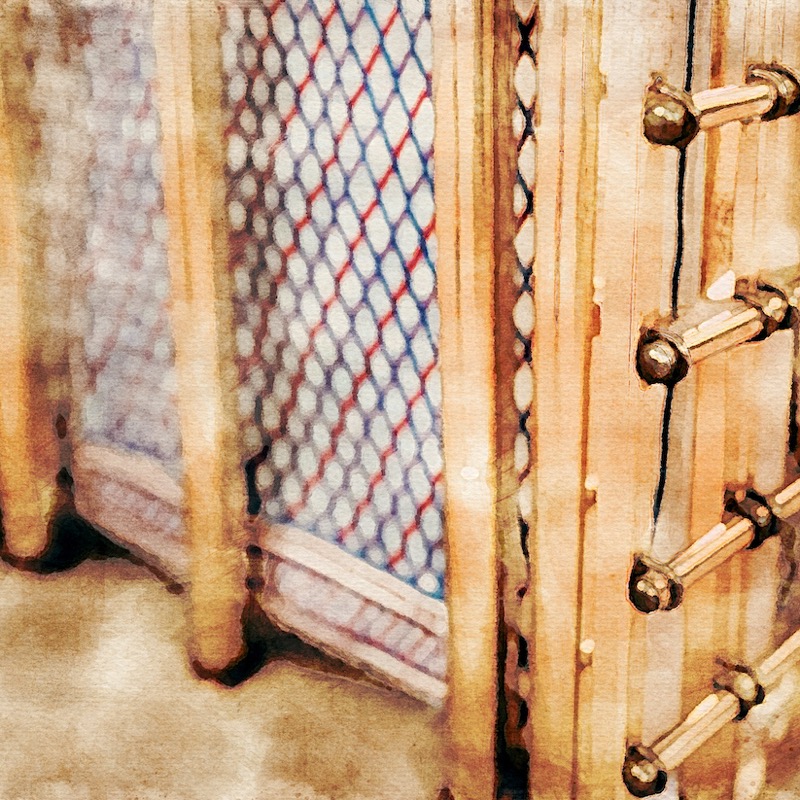
While others are coming in and getting settled, may I point out that tonight we shall need another sheet of notes. It is page six of the notes, and is an outline of the contents of section three of the book of the Revelation. If you haven't yet been given the sheet of notes, then would you care to raise your hand, and someone will bring one to you? So all seem satisfied, let us now settle down and hear the word of the Lord. We come now to section three of the book of the Revelation that begins in chapter eight and verse one and proceeds to chapter eleven and verse eighteen. It is nowhere near so well known as is section Two that we studied yesterday and again this morning. And truth to tell, it is far more somber and less calculated to stir our worship than was section 2 of this book. Some people hold that perhaps this section three of the Revelation is the most difficult to understand and to interpret. And certainly I do not, uh, propose this evening or claim to be about to give a definitive interpretation of this passage. Certainly, if we were going to come anywhere near a det- a a definitive interpretation of the passage, we would need all the skillful help of the systematic theologians. Tonight, however, our task remains the much more simple and fundamental and elementary task, and that is to survey this section as a whole, to determine if we can, its central and pervading theme, and to ask how the individual parts of this section contribute to that pervading theme, how they are related one to another and to the theme and message as a whole. We start then with some ground floor level observations of the formal shape of this particular section of the book. And on page six of your notes, I have listed its contents as I understand them. There are in this section four parts, as there were in section one and again in section two. Like sections one and sections two, section three also has a major series of seven things. If you have at your hand the layout of section one, you will see, or otherwise remember, that the series of seven things was the messages to the seven churches, Christ ap- Christ's appraisal of his churches, and those seven criticisms of the churches come as the last part of section one. Section two likewise, page five of your notes, if you have them, contained four parts. It also contained a series of seven judgments. They are the judgments that come as the Lamb opens the seven seals of a book. They come in their section, not at the end, but in position three. Now we come to section three of the book. It also has a series of seven, and they are a series of seven judgments. They come not at place four, nor yet at place three. They come right at the very beginning of the section. It is with them that the section starts. That is a simple observation of the form of the section. I mention it now to prepare our minds for what we shall find in other sections of this book, and it will not be until we come to those other and following sections of the book that we shall begin to perceive the significance of the placing of the series of seven in each of the major sections. More now to the point of the central thesis of this section. Like sections two and then four and five, this section has as its setting that something is opened in heaven, and then John is given to see some article of tabernacle furniture. On this occasion, it is the altar, the golden altar of incense. John sees how an angel is given much incense to offer in his censer and upon the altar before the throne of God, and it is added to the prayers of the saints. Now, we have spoken about this before when we were giving ourselves a preliminary survey of the book, so that we need not to repeat it in detail, but just to revise the lesson that we learned then, and to thus imprint it the more firmly on our minds, imaginations, and memories, let's look again to the model of the tabernacle and observe exactly where these pieces of furniture stood. The throne of God stood, as we all know so well, in the back division, the furthermost division of the tabernacle, the holiest of all. There it stood, symbolic throne of the Lord. He deigned to dwell and to meet Israel between the cherubim that were on the propitiatory that was in turn upon the ark. The golden altar of incense stood not in the holiest of all, it stood in the holy place outside the veil, but it stood close to the veil and directly opposite the throne of the Lord, which was the ark. And the reason for its position, as we noticed before, was that the golden altar of incense was functionally related to the throne and ark of God. For it was that when the priest came to that altar of incense and offered the incense at the hour of prayer on behalf of the nation and made supplication before God, as he stood at that altar offering his incense, he was addressing his prayers to the God who sat enthroned, so he believed, between the cherubim upon that symbolic throne in the most holy place. And it speaks, of course, volumes to our heart about the very nature of God and the nature of his almighty throne, that God gave directions that there was to be such an altar in such a position. It is an extraordinary thing, though alas, we grow so used to it, don't we? We practice the privilege every day, morning and night and afternoon, and get so used to it that sometimes the wonder of it escapes our attention. That the Almighty God that could rule by decree if he chose, and take absolutely no notice of what we think, and be blind and deaf to our little silly suggestions. The fact about the Almighty God of the Almighty Throne of Heaven is this, that he himself directed his people to construct an altar of incense where they might come and make their intercessions, and if you please, make their proposals and suggestions to Almighty God. What a magnificent God God is. Way back when this race of slaves had scarcely gone out of Egypt and were still to be taught by these elementary symbols, shadows, and types. Even then he invited them to come as near as he could possibly let them come in those far off days, and stand just outside his presence by that veil, and make their proposals before God, and let their requests be made known to him. I repeat, what a magnificent God he is. And tonight, as you bow before him at your bedside, at your chair, you may call upon him, and methinks the very choirs of heaven will stop their music, and the blessed Lord listen to your prayer. I can't refrain, as I speak about it, from remembering what happened on one occasion when the Son of God incarnate was here on. He was approaching Jericho, or was he just going outside of it? We shall not stop to decide the question. Surrounded by enthusiastic followers, a great crowd of them, and there sat outside the gates of Jerusalem a blind, flea-bitten beggar. And hearing the crowd, uh, he inquired to this blind beggar what all the fuss was about. And they told him that Jesus of Nazareth was passing by, passing by. And he saw his opportunity, and he cried out from where he sat in the dust and the filth. Jesus, thou son of David, he had the sense not to say Jesus of Nazareth. Jesus, thou son of David, have mercy on me. And the crowd said, shut up, do. No time for flea-bitten bigots like you. He's going to Jerusalem. He's probably going to be interviewed by Caiaphas or, or Pilate or some great important person in the Jewish Sanhedrin or by the Roman government itself. He no time for you. Keep quiet. The more they said keep quiet, the more he shouted. And then the miracle of grace happened. The great, great son of David stopped in his tracks and asked for the man to be brought and said, you called my man? What would you like me to do? And the man standing out, I- I- I'd like to have my sight, please. Yes, he said. That's very good. I give you your sight now. Oh, don't tell me that that was a story made up by the church for purposes of propaganda. This is God! And he's prepared to listen and ask what we want, and where it is for our good to give it, and to allow us to cooperate with him as children with a father, as servants with a master, and make our suggestions before the throne of the government of the universe. This then is the background of the imagery that is used to open this particular section of the book of the Revelation. And we noticed earlier in our survey that in section two, John was given to see the throne. Now in section three, he is given to see the incense altar that stood before the throne. And the coming together of these two sections, section two and section three in the revelation, is therefore not accidental or haphazard. The throne in two and the incense altar in three are there because functionally these two pieces of furniture were related. So now that we have considered briefly the throne of God in our last two studies, we come to the altar of incense, the altar of prayer. Ah, but then in our survey, we noticed the dramatic opening of this section, that when the seventh seal was opened, there was silence in heaven for half an hour. Half an hour must have seemed a veritable eternity to John, as he stood there wondering and waiting, with everything silent. What should happen next? And what should break the silence? The silence was eventually broken by the prayers of the saints. That in itself raises a problem. Why did God wait in half an hour before allowing the prayers of the saints to come up before him? We observed in our, uh, preliminary studies that here we meet a problem that has troubled God's people all down the long ages of history. The silence of God in face of the evil of men. Psalm ninety four is a classic expression of the problem. O Lord, says the psalmist in Psalm ninety four, O Lord, thou God to whom vengeance belongeth, thou God to whom vengeance belongeth, shine forth. Lift up thyself, thou judge of the earth, render to the proud their desert. Lord, how long shall the wicked, how long shall the wicked prosper? They prate, they speak arrogantly, all the workers of iniquity boast themselves. They break in pieces thy people, O Lord, and afflict thine heritage, and they slay the widow and the stranger and murder the fatherless, and they say, the Lord shall not see, neither shall the God of Jacob consider. And as you sense behind the poetry of that psalm, the agonies of God's people persecuted by evil men. As you listen in your imagination to the fervent prayers that went up from the widow and the fatherless, from the ancient, uh, believing businessman nearly put into bankruptcy by the wickedness of ungodly businessmen, and their frantic prayers to the throne for God to intervene, only to be met by apparent silence, by God's doing nothing. You can understand the plea, can't you, and the question and the puzzled, uh, inquiry, O Lord, thou to whom vengeance belongeth, how long, O Lord, will you not, uh, will you be silent and not avenge your people? Can't you see, Lord, how the wicked are taking advantage of this? They mock us every day of the week. They said, where is your God, you see? Pray on if you like. Of course, there comes no answer, for there's no God, they say. Why then is God silent? It is a big problem. But in Psalm ninety six, we observe that the psalmist has discovered the answer. And he bids all the mountains and the fields and the trees of the wood and everything else that can to rejoice. The floods are to clap their hands, the hills are to sing together for joy before the Lord, for he cometh to judge the earth. He shall judge the world with righteousness and the peoples with his equity. And the psalmist's joy, as you'll see, is because it has been intimated to him that the answer to this problem will be the coming of the Lord to judge. One day there was born in the manger at Bethlehem a babe who was son of David. When he grew up, there were many, many more than just eleven apostles who genuine bel- genuinely believed he was the son of David and God incarnate. And they said to themselves, you know, now our troubles are over. The Lord has come. John the Baptist, he waxed eloquent about it, and he had a right to do so because he was a prophet, wasn't he? Dressed up in his camel hair and eating his wild locusts and things. He spoke to the people in no uncertain terms, said he, you better start repenting because I tell you what, there comes one, he stands among us already, he it is that shall baptize with the Holy Ghost and with fire. His fan is in his hand, he shall thoroughly cleanse his thrashing floor, the wheat he will gather into his garner, and the chaff he will burn up with unquenchable fire, you Pharisees, listen, you better start repenting, for the axe is laid at the root of the tree. And anybody going through a park or an arboretum and seeing an axe laid out against the root of a tree would jump to the conclusion, wouldn't they, of what the gardener was about to do. He was about to chop the tree down. And many thought so. Yes, now had come the time. The Messiah was here. He would put down evil. Hallelujah. And John the Baptist, he looked around him and saw not only the crowds, but he saw Herod the King leading his dissolute and immoral life. And in the name of the Messiah, he put his fist in Herod's face and called on him too to repent and break off his adulteries, for Messiah had come. If Herod didn't repent, he would be dealt with. Now, Herod's wife didn't like it. And, uh, Herod put John in prison. I don't suppose that troubled John too much at the start. Let Herod put me in prison. Jesus is the Messiah. He's come to put down evil. I have witnessed in his name. I've stood for him mentally like a prophet, and I committed him publicly. He surely must come, deal with Herod, and let me out of prison. And he heard some footsteps down the corridor, and the key turned in the chain. This was Messiah come. No, it wasn't. It was a jailer with his breakfast. And the time went on, and Jesus didn't come. Till at length John sent a band of his disciples to the Lord Jesus to put the question to him publicly. And the question was this: Are you really the Messiah that should come? Or do we wait for another? Some people are ready to say, but you, you mustn't suggest that John Baptist had any doubts. I mean, he was the greatest of all the prophets. Surely you're not now going to say that he doubted whether Jesus was the Messiah or not. He surely, uh, was still convinced that he was. And the reason they say why he sent the message and, uh, made the inquiry of the Lord Jesus was this, you'll see. He said to himself, Jesus is the Messiah? Certainly he is, but he seems a little bit slow in, in making it known. I tell you what we can do. We can get him, uh, to, to say openly, I am the Messiah, you see. So John waited, so the theory goes, until the Lord Jesus had a big crowd around him in public, you see, and then he sent his messengers and put the question point blank, like some people do to a lecturer, don't they, when they want him, uh, to answer a question that they think he's been avoiding, you'll see, for some reason or other. Now he'll have to answer it, you see, and tells us where he stands. Uh, and uh, the messengers said, are you the Messiah that was to come, or are you not? And uh, of course, Jesus would have to be say quite clearly now, yes, I am. So they say it wasn't John doubting, it was, uh, John just, uh, making a little suggestion about how to go about the publicity of the Lord's campaign a little bit better. But what is that but doubting? Didn't Christ know what he was doing? Hadn't got- hadn't Christ got the timing right? Our Lord sent to his troubled servant a report of the many miracles that he had done. John, knowing his prophets, and Isaiah in particular, would recognize that some of the prophecies of Isaiah were s- fulfilled in the Lord Jesus, and his heart would have been strengthened. But there were certain notable things that Isaiah had said that Jesus didn't even claim to have done. One of those was to put down God's enemies and trample the winepress of the wrath of God. Christ left all that unsaid. He hadn't come at this stage to do that. One day John heard other footsteps down the corridor. It was late in the evening. Could this be Messiah? And the door opened. And it was the executioner with his sword. John went to his martyr's death. And Jesus had not put down either. We need to listen to history. For if we do not listen to history and to the plain statement of scripture, we shall get our ideas of the kingdom of God all muddled up, and expect God to be doing now what he isn't doing now. The early apostles made a similar mistake, didn't they? They thought that he was the one who had, would liberate Israel from the domination and oppression of the Roman Empire, but he hadn't come to do any such thing. He hadn't come to interfere in the politics of the Roman world. When the party came to arrest him in the garden, he submitted to their arrest, to their false accusations, and died on a cross. You say, yes, but now he's risen, and he's on the throne of heaven, and surely now he controls everything and, and, and, and is in the process of putting down evil. Is he really? And how many dictators has he put down since he rose. Some of the early Jews, after the resurrection of our Lord, came to believe that he was the Messiah. With all their expectations of what the Messiah do, thought that now they were Christians, now it would be a glorious life of peace and prosperity. Instead of that, they not only found themselves persecuted by the synagogue, very often cast out by their family and friends, but they lost their job. Some of them lost their lives. And the epistle to the Hebrews is witness to this, that they began to waver and to doubt. Was Jesus, after all, the Messiah, when is he going to put down evil then? And what should our Christian attitude be when we suffer for the Lord's sake? Should we not cry for justice to be done, for the Lord to rise up and avenge us of our enemies? Here I ought perhaps to turn aside because of the theological difficulties some people have felt on this very topic. There have been gracious and godly men and women who have said to themselves, all this crying to be avenged, that cannot be the true Christian attitude. It may have been the attitude of the psalmists in Old Testament days, when they worshiped a God who was a man of war. But since we are followers of the blessed Lord Jesus, the crucified Lamb of God, it is inappropriate for us to pray for ven- uh, being to for, to pray for, to be avenged. We must leave that. Put up with the suffering and love our very enemies. Part of that is true, isn't it? For Christ also has left us an example that we should follow his steps. When he was reviled, he threatened not. But it isn't the whole truth. As we can see, if we will reflect upon the teaching of our Lord himself. We surely cannot accuse our Lord Jesus of ever having preached something that was not Christian in its standards. And on this very matter of the need to pray to be avenged, our Lord Jesus told a whole parable. We call it the parable of the widow and the unjust judge. And the parable, you may remember, went like this. Men ought always to pray, said our blessed Lord Jesus, and not to faint, not to give up. And why ought men always to pray and not to faint, never to give up? And what are they to be praying about? Uh, what are the prayers in which they must persist until God answers them? To illustrate the point, our Lord, uh, said, now, you know, there was a widow in a certain city, and her enemies, uh, cheated her and oppressed her, you'll see, taking advantage as men would in those cruel old days and do still, of defenseless widows cheating her out of her shares, uh, and stocks and her bank balances and her property and her farm and moving the fences and all that. You'll know, like, well, like, well, not like you wouldn't know, but there are some men who do it, you'll see. And of course, when she was thus, uh, unjustly treated by the men of her village, she she went to the judge, and she asked the judge, please, would he intervene? She wasn't wanting the judge to rain down terrible volcanoes of anger upon the heads of the aforesaid crooked businessmen. All she was asking for was for justice to be done, and that the judge would stop them persecuting her in this fashion. But the judge was a rascally old fellow himself. He cared neither for God nor man. He probably played golf with the aforesaid businessmen, you'll see. So anyway, he wasn't in the mind to do anything about it. And for a while he did nothing, unprincipled wretch that he was. But the woman was a woman after all, and she wasn't taking no for an answer like a lot of her, uh, sex are, you'll see. She kept on coming and coming and coming, and every Tuesday, Wednesday morning, and Friday afternoon, there she was, you'll see, until this wicked old scoundrel of a rascal of a judge, cared might have gotten a man, said, goodness me, I shall have to do something about this widow, for by her continual coming she pesters me. What a pest the woman is, but I shan't get rid of her, she won't shut up, I shall have to do something. So in the end he got up, and he avenged her, and justice was done. And will you stop praying to God, says our Lord. For shall not God avenge his elect that cry unto him day and night? Why, of course he will. Though our Lord added he is long suffering over it, and he may well appear to us to be taking a long time to do it. But he will avenge them, and I tell you, says Christ, he will avenge them speedily. But until he does, you mustn't give up praying. You mustn't faint. For if we give up praying that God will intervene and see that justice is done, see what we would be saying about the character of God. For if that wicked scoundrel of a judge could be moved into action, though he had no care for justice or righteousness or truth, will you say it's worth pestering him, but it wouldn't be worth pestering God because... because of what? Because God doesn't really care all that much for justice and righteousness and truth. Leave off praying for God to intervene in the world and put down evil would in its way be a slander on the character of God. For the God of heaven is a father le- father to the widow, uh, for the to the fatherless, and a husband to the widow, and he will avenge his people. He will do it as quickly as God's wisdom allows. You must keep on praying, said Christ. And then added the melancholy observation. When the Son of Man comes, will he find faith on the earth? Why raise the question? Because God's apparent silence will last so long that before it is broken, many people will have given up faith in God. If that isn't enough to convince us that it is right to pray that evil be put down and God's people be avenged, then let us consider the attitude of our blessed Lord Jesus. You will tell me perhaps that he, he, when he was reviled, he prayed for his enemies. He said, Father, forgive them, for they know not what they do. And so he did. And bade us to pray for our enemies too. But let us not, uh, forget what Peter adds. Listen to it now from one Peter chapter two. We are called to follow Christ's example, who did no sin, neither was guile found in his mouth, who when he was reviled, reviled not again, when he suffered, threatened not, but committed himself to him that judges righteously. Christ didn't take the view, did he, that it doesn't matter whether you crucify me or not, I love you just the same, and you'll not get into any trouble for crucifying me. No, no. You'll see, when he was on the way to the cross and the women of Jerusalem came out to him, shedding their tears over the fate of this poor young man as they saw him, that was suffering thus so unjustly, he told them firmly, though graciously, to dry their tears. Don't you weep for me, he says. It's not I that have got the worst of this deal, you know. You weep for yourselves and for your children. For if they do this kind of thing in a green tree, in a moderately decent society with normal laws that are normally kept, and if they will stoop in the nation at this juncture to commit this terrible, uh, mal injustice, perversion of justice, as to crucify me, the innocent Son of God. What do you think will happen in a dry tree? I'm telling you now, says he, for what you have done, there will come days when men will cry to the rocks to fall on them. them. God hasn't forgotten Calvary yet. God hasn't forgotten the fact that wicked, cruel, ambitious, and evil men murdered his son and spiked him to a cross. God hasn't forgotten it and brushed it under the carpet. There will come a day, said the Lord Jesus, when men shall cry to the rocks to cover them from the face of him who sits on the throne. It was in the conviction that God will one day intervene and execute judgment and avenge him that our blessed Lord was able to go to the cross and bless his enemies and not retaliate, and thus give them an opportunity to repent, led by his very mercy, that they might find forgiveness through his atoning death. But if they don't repent, there's coming a day of judgment. And the same attitude is enjoined on us, is it not? In the Epistle to the Romans in chapter twelve. Beloved, says to the Apostle Paul, avenge not yourselves. Why not? Because vengeance is a thing that oughtn't to be done anyway. No, no. Avenge not yourselves, beloved, but give place to the wrath, for it is written, vengeance belongeth unto me, I will recompense, saith the Lord. It is because we assure, are assured that one day God will intervene, will recompense. But we are not to take the matter out of his hand. We are not to avenge ourselves. And that will take away the rankling sense of injustice from our breasts, won't it? The knowledge that God will one day put the thing right. We need not concern ourselves therewith, simply to pray that in God's own time he will do it. We get on with showing his mercy even to our enemies. But we return from that diversion back to our passage to follow its central theme. There was silence in heaven for half an hour, says John. We should perhaps now observe the position in the book of the Revelation where this particular section comes. It comes not at the beginning, it comes at the end of the opening of the seven seals. Though we cannot follow a strict chronology, I'm deviating throughout the book of the Revelation, it is evident that this scene came late on, so to speak, not at the very end, but getting towards the end. There was silence for half an hour, and then it was broken by the prayers of the saints. It is pointing forward to a day when there shall come a silence that will eclipse all other silences of God that have ever been. It is warning of a time of persecution that shall arrive, the like of which has never been. It is warning of a time of trial so severe upon the people of God of that time, that little or it nothing like it has ever been known. And the purpose, the main purpose of the prophecy is to prepare the people of God of that day in advance for the terrible silence of God that they shall then suffer. But now let us take the lesson in the order in which it is given us. When the half hour silence was finished, then came trumpets, loud trumpets, each trumpet causing and bringing or accompanying some terrible judgment of God falling upon the earth. God now beginning to break the silence and visit earth on behalf of his people. You will notice, as you read down the judgments that are listed in chapter eight that they are, so to speak, first of all, judgments upon the earth, upon the created earth and heaven, and earth in particular. On the other hand, most of them are only partial judgments and not yet complete. It's a third of this and a third of that that is destroyed. A third of the waters and the shipping destroyed. The light of sun and moon reduced by a third, and so forth and so on. These are but partial judgments inflicted upon creation as God begins to rise up to deliver his people. We find an immediate analogy, don't we, with God's judgments upon Pharaoh. When after the groaning and the tears of the Israelites that had gone on for years, God finally, so to speak, took notice of them and came down to deliver his people, then he didn't proceed at once to destroy Pharaoh with a flash of lightning. Before Pharaoh's eventual destruction, there came a series of nine plagues, warning voices to Pharaoh, uncomfortable visitations, but were meant almost as gospel messages to Pharaoh that he should give up his tyranny and let God's people go, else worse would happen to him. God merciful even in his judgments. And so it is here. The judgments that now come under the trumpets are not final judgments, are they? The early ones are not even the great day of God's wrath. They are preliminary messages, preliminary trumpet blasts, God beginning to put his finger on the earth and upon the heavens to remind evil men that the earth is the Lord's. God had to do that with Pharaoh too, didn't he? When Moses went to Pharaoh and said, let in the name of God, let my people go that they may worship me, Pharaoh hardened himself and defied the living God. Therefore, God had to demonstrate to Pharaoh that the God of redemption was also the God of nature. And God began to put his finger into the rivers and the fountains and the fields and animal life and lightning and thunder and hail. God began to put his finger upon the physical elements of the universe, to remind stubborn Pharaoh that the God of redemption is also the God of nature, the God of creation. And that is a very necessary lesson that God will one day rise up and put across. There are many ungodly men, and they think of religion as fairy tales that are told to children when they go to bed to stop them being afraid of the dark, and that's all it is. They think religion, the story of redemption, is merely a kind of imaginative story. You can believe it if you like, but it has nothing to do with physics, with cosmology, with chemistry, with science, with the external reality of this world. And God is going to rise up, says this passage, and before the end he's going to interfere in the running of earth, in the running of cosmos, in the running of the seas, and demonstrate to men while there is yet time that he, the God of redemption, is the God of creation. And they better start listening to his voice, or worse is to follow. Ah, but there is another thing that you may care to notice about these plays. And that is God only not only puts his finger on the sky and the sea and the earth and plant life and animal life. But in chapter nine we read God sends down an angel and opens the door of the abyss, lets out demons by the thousands. Why would God allow demons to come exiting out of his prison house? Why, we presently find one of the reasons men have turned to idolatry, to occultism, to worshiping of idols, and the things that the Gentiles sacrifice to idols, they sacrifice to demons, says Paul. And God, in his mercy, lets them taste the end result of what they are doing, if perchance it might cause them to repent. If men will indulge in criminal acts and persecute the people of God, well, perhaps God may be allowed to say, well, I have a prison or two where I normally put my criminals. But what if I were to unlock the prison house door and let some of my criminals out? You like criminals? Well, here are a few. Worn Warn men men. of the seriousness of occult practice and idolatry. And the words have a chilling voice to us, do they not, as we have listened to our brethren telling us of the great invasion of occult practices in the East, as there are, of course, in the West. But let us recur now to a general argument. You see, it is true that many people refuse to believe that there is a throne in the heavens. There is no God. And one of the reasons why they want to believe that there is no God is because instinct tells them that if there is a God, then one day that God must judge the world. They're like the old Roman poet Lucretius. Lucretius wasn't himself a scientist, but when he heard of the early version of the atomic theory, he was delighted. He was so delighted that he wrote a whole poem about the atomic theory, you'll see. As you know, the Greeks invented the atomic theory long before Christ. Lucretius was a Roman poet, and as I say, he wrote a, a book, if poetry, if you please, on the atomic theory. It obviously moved him deeply in his heart. And I tell you this, that some of the wonder that moved him to poetry was the sheer, uh, fascination, as he saw it, in this wonderful insight into how nature works accord- with atoms and things. But the other reason he gives us plainly in his introduction, for, says Lucretius, see, consider now this wonderful scientific theory, how it sets you free from the fear of the gods. All those old stories of the gods that would one day visit punishment upon sinners. Ho, ho, ho, it's all been proved wrong, says Lucretius. What a tremendous thing. We now know the atomic theory and how it works, and when a man dies, the atoms that compose him all come to pieces and disappear, and that's the end of the man, and there is no life after death, and there are no gods to worry about. There may be some gods, but none to worry about, and there is no such thing as hell. It's not all science that moves people to adopt atheism, is it? But the instinctive feeling that if there is a God, there will be a judgment, and there will be a hell. But if you try and push your friends who are of that frame of mind and argue the case with them and bring them to the point where they see it's irrational to deny the existence of a creator, we'll commonly find they try the other position. Ah, they say, hmm, well, so you say there might be a God, but but no, no, I I I I can't admit there's a God, for if there's a God, why doesn't he judge? Oh, now how perverse can people be? And they want it to be that there is no God, because if there is, he might judge, and now they say there can't be a God because he doesn't judge. We used to hear it in the war thousands of times, and what's come of your, your, your, your, your Jesus now? I have an elderly Jewish friend in Belfast. How often has he told me, I don't know whether to believe there's a, if there's a God or not. Where was your God and where was your Jesus when six mil- million of my fellow nationals were being gassed? Gone on holiday or something? If there's a God, why doesn't he judge? The implication of that is that if God would start judging, they would believe. Would they? Here come the judgments under the trumpets, and they come to the end of chapter nine, and it says, and the rest of mankind which were not killed with these plagues repented not of the works of their hands, that they should not worship demons and the idols of gold and of silver and of brass and of stone and of wood, which can neither see nor hear nor walk. And they repented not of their murders, nor of their sorceries, nor of their fornication, nor of their theft. The judgments of God per se do not convert people any more than the judgments of God con- converted Pharaoh. Any more than the judgments of God in the lake of the fire will convert anybody. But this passage i- i- indicates that God has yet a severer test for mankind, and a severer demonstration to make of what the state of the human heart really is. The demonstration will involve such suffering and trial for the people of God of that day. But before John is told of what the demonstration will be, God sends a strong angel down from heaven of him we read in chapter ten, to assure John that the demonstration that God is now going to put on is only going to last a tiny fraction of a time, so to speak. From now on, there's not going to be any delay, but in the days when the seventh trumpet sounds, then God's mystery shall be finished and his purpose brought to their fruition. But there is to be a tiny gap, and that tiny gap is going to be such a demonstration of the human heart that the sufferings of God's people of that day will be intense. And what is the demonstration? It is told us in chapter eleven. Let us concentrate first on the prime, uh, elements in it. There's going to come a time when God sends two witnesses. And of course, curiosity asks the obvious question, and who are they? And the answer is, I don't know, and I'm not going to tell you even if I did know. The question is, what are they? They are, so we are given to ex- uh, to understand, verse four of chapter eleven, these are the two olive trees and the two lampstands standing before the Lord of the whole earth. These give their witness to God, it is said, over this comparatively brief time of three and a half years, and they are equipped with special powers from God, as Elijah was, to bring down fire from heaven if it so pleased them, and to smite the earth with every kind of plague if any man tries to do them an injury. So says verse six. These have power to shut the heaven that it rain not during the days of their prophecy, and they have power over the waters to turn them into blood and to smite the earth with every plague as often as they shall desire. Here then God is going to put on what will be his final witness to these people, an exhibition of exceedingly obvious supernatural power. Here is such power as the church has never had. Here is such self-evident supernatural power that all the world that sees it will have to admit it. Power to shut up the very heaven, power to smite the earth with plagues, invincible power that no one can harm them or touch them for this defined period. You say the world is going to get converted now pretty soon with powerful witness like that. Would God, God would give us a few more supernatural miracles to do. That would convert the world. Miracles are the thing. Ah, but wait a minute. When they have finished their testimony, the beast that comes up from the abyss shall overcome them. Then there shall be a silence which has never been before. The self-evident supernatural power overcome. You can imagine what the TV will say that night, can't you? Our scientists have at last proved that what everybody thought was the last stronghold of supernatural power and faith in supernatural power has now been destroyed. We have the final evidence that there is no God. It has been proved scientifically, and all those things that in the past, and in the recent past in particular, we were just inclined, some of us, the weak-hearted, to put down perhaps to supernatural power, that here at least was evidence of supernatural power and that there was a God. At last it has been proved, incontrovertibly proved, that there is no God. The God of the gaps that people once a- appealed to, to explain scientific phenomenon that they didn't understand, has last disappeared like the last grin of a Cheshire cat and ceases to be. We are free from God. I say it is unprecedented, not absolutely unprecedented, of course. Well, as we read this description, this prophecy of this happening, we must remember that terrible period of Jewish history that happened in the years one hundred and sixty seven to hundred and sixty four BC. Israel had come back from the exile long since. And when they came back from the exile, you remember, according to the books of Ezra, Nehemiah, and then the prophecy of Zechariah, they started to rebuild, first of all, the temple and then Jerusalem City. And as they started to rebuild the temple in Jerusalem City, all the little nations around them began to yap and to yelp and to bark and to create trouble, and appealed eventually to the great imperial power to have these returned Jews stop building their temple and stop building their city. God encouraged them to carry on rebuilding the city and rebuilding the temple, and appointed his two servants, Joshua and Zerubbabel, to lead the people to rebuild the temple. And he gave to them a vision of the two, uh, of the lampstand fed by two olive trees, supernaturally fed by two olive trees. A dramatic vision to explain to his people at that time that this testimony for God in the earth that they were raising would be maintained by God's own spirit, not by might, but by my spirit, saith the Lord, and maintain the testimony God did, and the temple was built, and the city was built, and Israel was restored, at least in part, to her land. The years went by. Came the years one hundred and sixty seven to one hundred and sixty BC. By that time, Israel were under the Seleucids. There came an emperor by the name of Antiochus Epiphanes, and for certain political reasons, he determined that the Jews must be brought under his authority more closely. And to do that, their religion had to be banned, and they had to be forced to worship the gods of the state. And alas, with the connivance of the Jewish high priests of the time, who were secularized humanists, really, though they pretended to be religious. This Antiochus set up in the temple of God at Jerusalem the abomination that makes desolate. He offered a pig on the altar of God in the temple. He brought in the temple prostitutes. He banned the possession of scripture. Any mother caught circumcising her son according to the law of Moses was taken with her baby and thrown headlong over the walls of Jerusalem to dash her brains out on the rocks beneath. It was offense against the state to worship the God of heaven, Jehovah. All had to bow down to Antiochus image. It was a sore trial to the Jews, of course. See that terrible moment when Antiochus' servants entered the holy temple of God and set their abomination in the temple. What happened? Nothing happened. Silence. No lightning came to strike them dead, no thunders roared. Simply silence. And only at the end of much trial and tribulation and warfare was the temple vindicated and set free. It is told us by God in Holy Scripture, in the prophecies of Daniel, that it might serve as a prototype of what shall happen on a far grander scale at the end of this age. The final witness of God, and God will allow it to be put out. Three and a half days, the dead bodies of these two prophets shall lie in the street. And what will the world do then? What about all those people that have argued, why, if there's a God, why doesn't he judge? What will they say now? When it would appear that the last evidence of supernatural power has been disproved, when it appears to have been proved there is no God. The Bible says the world will go delirious with joy. Marvelous, they will say. No God, all thank. But then there's nobody to thank. Um, oh, but but let's be rejoice and give presents to each other, you'll see. At last we're free, there's no God. And look at these miserable people over there, all the killjoy lots, all preaching to us eternal punishment and other such things. Old medieval fusty allegories and stories and fables, the whole lot was. There never has been a God, there is no God. The world will grow delirious with delight. Until three days later, God intervenes, and the two witnesses are resurrected and taken home to glory. You say, why will God do it so? Well, because before God finally judges men, he will have it demonstrated for all to see what actually lies in the human heart. God isn't a tyrant, you know. People can give all sorts and kinds of reasons and cover their real feelings and their beliefs. You've often sensed it, haven't you, talking with your friends, that their arguments against Christianity that appear to be intellectual aren't really the trouble. They're using the intellectual article, uh, arguments as a smoke screen to cover deeper reasons within their hearts. But God is going to judge the secrets of men by Jesus Christ. Before his final wrath fall, God will have demonstrated, not least to the people themselves, what their real heart, attitude, and motives are. Why will God allow that program to inflict such trial on the people of that day? Why did he allow such a period of suffering in the years BC when Antiochus set up the abomination of desolation? To raise that question is to raise a question that must concern us all as believers. The silence of God. Why will God allow us to be tested? By the most extreme tests. The answer is in part given, isn't it, in the book of Job in chapter one. When Job, uh, when the s- sons of God came to present themselves before God, and God said to Satan, who came among them, Satan, have you considered my servant Job by any chance just recently? There's none like him, said God to Satan, in all the earth, such as fears me and does my will. And Satan smiled his cynical smile. He said, your divine majesty, if you believe that, you believe anything. Faith, my foot, faith. You, you imagine that Job believes you and loves you and serves you, and this is faith. Well, God, if you believe that, you'll believe anything. I can tell you differently. I happen to know Job. Of course he, he, he does, he says he believes you. Why, you've blessed him, haven't you, with flocks and herds and houses and the most beautiful wife in the district and marvelous sons and daughters and everything his heart could wish. Of course he loves you, and he sings it in his choruses. He doesn't mind singing you a hymn or two if you give him a few oxen and houses and cars and whatnot. I mean, hymns are pretty cheap, aren't they, anyway? But, uh, of course he pretends he, he loves you. But, uh, if I may suggest something, said Satan to the Almighty, mm, you could, uh, find out whether this faith was genuine or not, you know, if you wanted to. I mean, you touch his goods, and you touch his health, and you'll find out whether he's a believer or not. You take from him the goodies, and he'll turn round and curse you to your face. And the Almighty said, don't you talk such wicked nonsense and slander, Satan. I won't hear it said. He didn't. He said, Satan, if that's your accusation, prove it, Satan. I give you permission. You can touch his goods, don't you touch his life. For God must be justified. And if his salvation is this, that we're saved by faith, then God is morally obliged before the whole universe to demonstrate that faith is faith, and not just what we call cupboard love, that is loving God for what you get out of him. So Job was brought to the very dunghill, where Job almost wondered whether God cared for justice or not. Where Job thought that God had got everything wrong. But in the end, came through, and his faith was demonstrated to be genuine before heaven, earth, and hell. So it will be in the end time. But the silence will not be complete, will it? For before this silence happened in the vision, this final silence, God sent the strong angel to to John. He came down and he put one foot on the sea, and he put one foot on the land, and he had in one hand a little scroll written, and the other hand he raised to heaven. The scroll contained messages that were pleasant enough to read intellectually, but when John digested the contents of them, they turned bitter in his belly. They surely were the announcement of the final trial that would come upon the world and Jerusalem City. But even as he was given the book, he was assured of God's faithful promise, and the angel lifted his hand to heaven and swore by Almighty God that there shall be delay no longer. Yet a little while, said he to John, a little, little, little while, and the great mystery of God and the great glorious promises which he has preached as a gospel all down the centuries through his prophets, in a little while it will be fulfilled. I'm telling you now, John, and I swear by Almighty God it is true. Even though in the little while there shall come unparalleled persecution and trial. So did God prepare John for what he was to see. So he prepares his people of that coming time for what they will endure. But so tonight, he prepares us for what we must endure. And we turn in our final moments to apply these tremendous lessons that pertain to the end of the age, to apply their principles in our own lives. I was talking on this subject in like manner at a conference far from here on one occasion, talking of the problem of the silences of God. And afterwards I got a letter from a couple of missionaries, and the letter said that they would have liked to have talked to me after the meeting was over, but they couldn't have managed it emotionally. They said, when you talk to the silence of God for half an hour, it opened all the old memories when we were young missionaries in a remote station in Africa. We were far from any medical help when our little child of two took ill with malaria. The temperature mounted, and we tried desperately everything we knew to get the temperature down, but nothing seemed to avail. As a last resort, we took a quarter of a pill of quinine, and we crushed it and tried to give it to the child, but it stuck in the child's throat, and the child choked. And as the little face began to turn blue, we cried to God, oh God, help us, God. We want to do your will. We're here to serve you. Oh Lord, if there's anything wrong in our lives, help us to see what it is and repent, that you may have mercy. Save our child. And a half an hour went by, and there came no voice. Nothing but silence. And the baby died. And they haven't forgotten emotionally to this day, though they are a venerable and honored and respected couple in the service of God. The memory of it has not gone. I fancy it will never go for all eternity. And why didn't God hear them? Ah, but then what a tremendous privilege he gave them. I speak with bated breath, who have never known anything like it. To stand as a witness before the open court of heaven against all the sneers of Satan. And to demonstrate that their faith in God was real faith. And if God blessed them with blessings, they believed him. If he took everything away, they believed him still. Sooner or later, if God is going to cure us of idolatry, he must put us all through a similar test, not so severe maybe. But to demonstrate that faith is faith, he must leave us with just himself and nothing else, to trust him when all the evidence seems to go against his very existence. How shall he bring us and strengthen us to do that? I borrow by analogy the lesson from that great vision that John was given of the angel coming down from heaven with a book in the one hand and the other hand reaching to heaven. Can you see the stance in your vision? Ask me not how now how whether that angel was the son of God or not. Watch the angel. And he has a book in one hand, and the other hand raised to heaven. And what does the book say? It doesn't say trust God and life will be a bed of roses from now on. The book says that in the world you shall have tribulation. Oh, my brother, my sister, God's not afraid to tell you. He doesn't want you trusting him under false pretenses, under the impression that if you trusted him, all would be like a heaven on earth. The book says, in the world you shall have tribulation. Be of good courage. I have overcome the world. And when you pass through the waters, I shall be with you. And the other hand is raised to heaven. Swearing by Almighty God and his unbreakable loyalty and allegiance to you. You can trust him, my brother, my sister. It's only a little, little while. And he that shall come will come and will not tarry, and the trial will be over, the mysterious promises of God complete, and then you shall know the joys and the glories and the wonders of the things that God has prepared for you. And the fact that your faith has been purified till there's no dross left in it will mean that you will enjoy, be able to enjoy the blessings of that eternal realm without any impediment. So may God use our study this evening to encourage us all, for his name's sake. Amen. May we pray. Our Father, we thank thee for thy holy word. We have understood but a few things in it, and many things remain to be explained. Lord, tonight, as we sit here and we think of thy suffering people throughout the ages, we bless thee, God, for thy wonderful ability to maintain the fe- faith of thy people through thick and thin. And we thank thee that thou wilt at length be justified before the worst fiends of hell. And thine ability to keep the faith of thy people will be proved to the hill. We thank thee tonight, Lord, that thou hast the courage to tell us that there lies before us oftentimes trial. We bless thee for the comfort of thine assurance. God is faithful, who will not suffer you to be tried above that you are able to bear it. And now, Lord, as we go from the study of thy word, the study of it is oftentimes interesting and delightful to our mind. We also perceive this evening that if these lessons be true, trials bitter and difficult may yet lie before us. Therefore, Lord, let us take hold of thy grace, thy word, and thine oath. That by these two inchangeable things, thy word and thine oath, we may have strong consolation, who have fled for refuge to take hold of the hope set before us, which hope we have as an anchor of the soul, both sure and steadfast, and that enters into that within the veil. Grant us, O Lord, that when our particular time comes, we may glorify thee, even in the midst of our trial. Through Jesus Christ our Lord. Amen. Amen. Now, though the time is gone, may I suggest that we sing a hymn we've sung many times already, but seems to me not inappropriate for the topic of our study this evening. The hymn is hymn sixteen. Let us rise and sing it as an expression of our faith in God, whatever may come. Hymn sixteen: Great is thy faithfulness, O God my Father, there is no shadow of turning with thee.